Machine translation
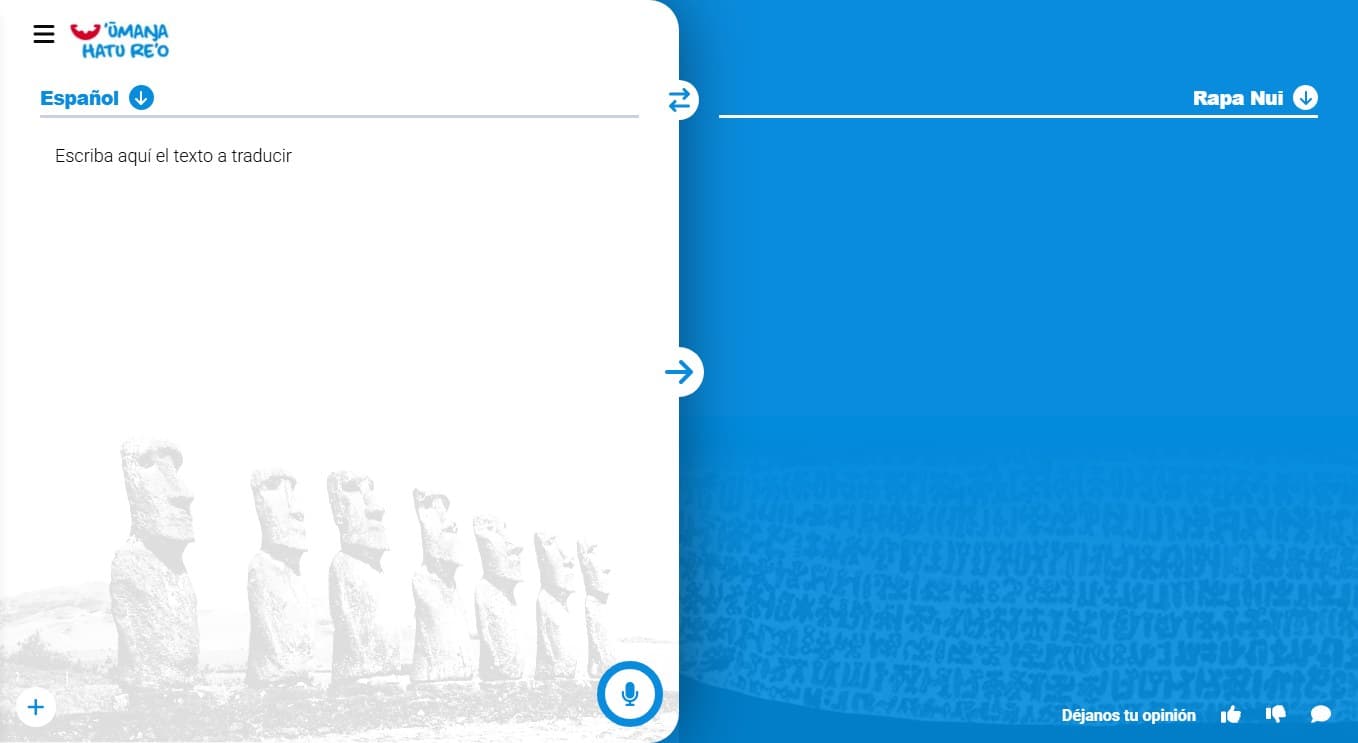
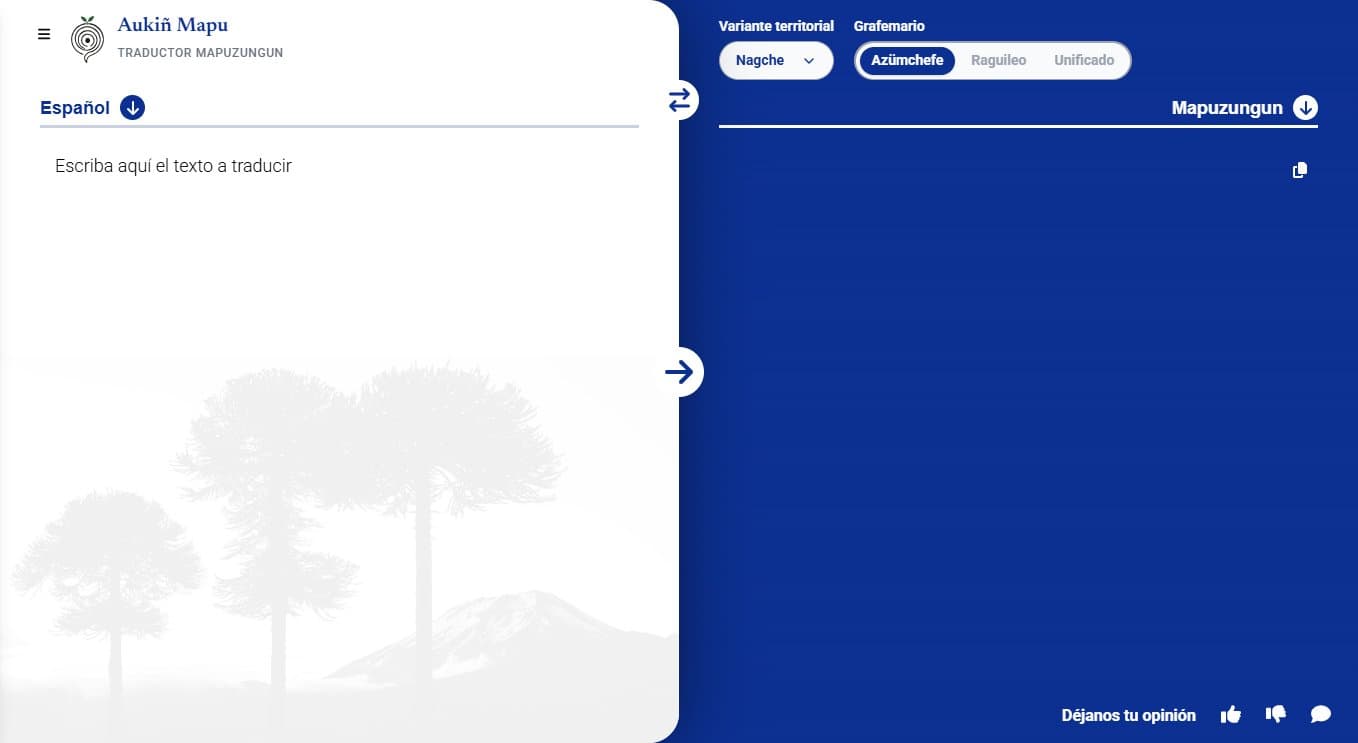
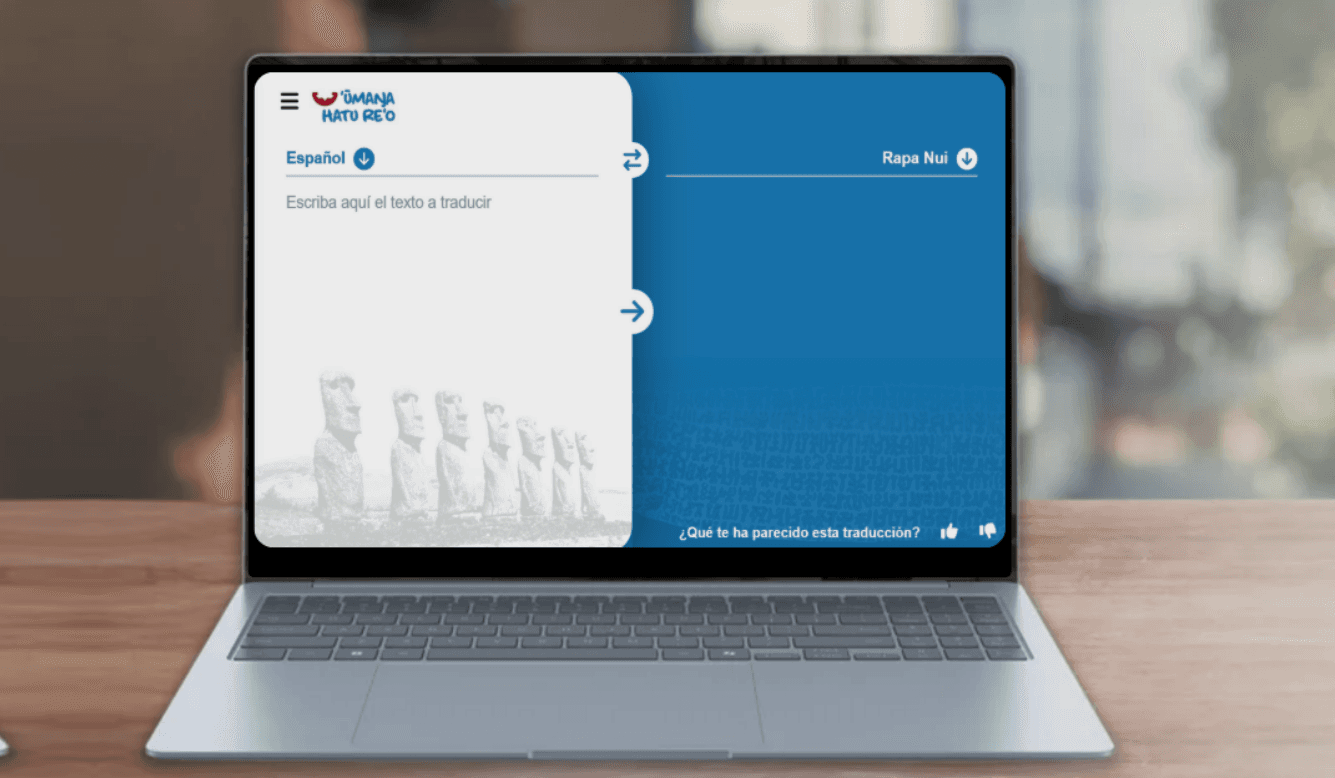
Translation engines trained for each language, able to work with very little data and respectful of its structures and cultural expressions. They translate to and from 200+ languages.
An open, non-profit technology ecosystem dedicated to preserving and empowering low-resource languages.
Authorized and validated by the speaker community.
What is VOCES?
VOCES seeks to protect, revitalize and promote Indigenous languages through digital empowerment and the development of technologies that create the conditions to use, learn, teach and transmit a language, making it part of everyday life.
It is not about archiving a language, but about making it present where life happens today: on the phone, at school, in health services, in public services and on the internet.
A language existing in the digital world is not a cultural luxury: it is public infrastructure for its speakers' future.
Developing state-of-the-art language technology in the service of Indigenous peoples.
Strengthening Indigenous peoples' own language institutions so their work can be sustained over time.
Laying the technological groundwork that lets peoples carry their language into the digital future.
Record, transcribe and safeguard each language as it is spoken and written today.
Tools to learn, teach and transmit the language to those who come next.
Use it every day: at school, in healthcare, in public services, in the media and online.
The challenge
That is 26 languages a year. Half of the world's languages could disappear this century, and each one takes with it an identity, a worldview and a heritage that cannot be recovered.
556
Indigenous languages in Latin America and the Caribbean
38.4%
are in danger of disappearing
47%
of the languages endangered today were not 15 years ago
66
languages have fewer than 99 speakers today
For every 20 pages browsed on the web, one is in Spanish. It takes 125,000 to find one in Guarani, one of the Indigenous languages with the most presence online.
No Indigenous language of the Americas reaches the 0.1% threshold at which web content is measured. Artificial intelligence inherits that gap — and widens it.
Source: Latin American Atlas of Endangered Indigenous Languages — IIALI · FILAC · SEGIB (2024) · UN DESA · World Bank (2019).
Fewer than 5% of the world's languages can make the digital leap without deliberate intervention. The same technology that opened the gap can close it.
What we do
Our work starts from what Indigenous speaker communities ask of us. These are the lines of work through which we respond.
Translation engines trained for each language, able to work with very little data and respectful of its structures and cultural expressions. They translate to and from 200+ languages.
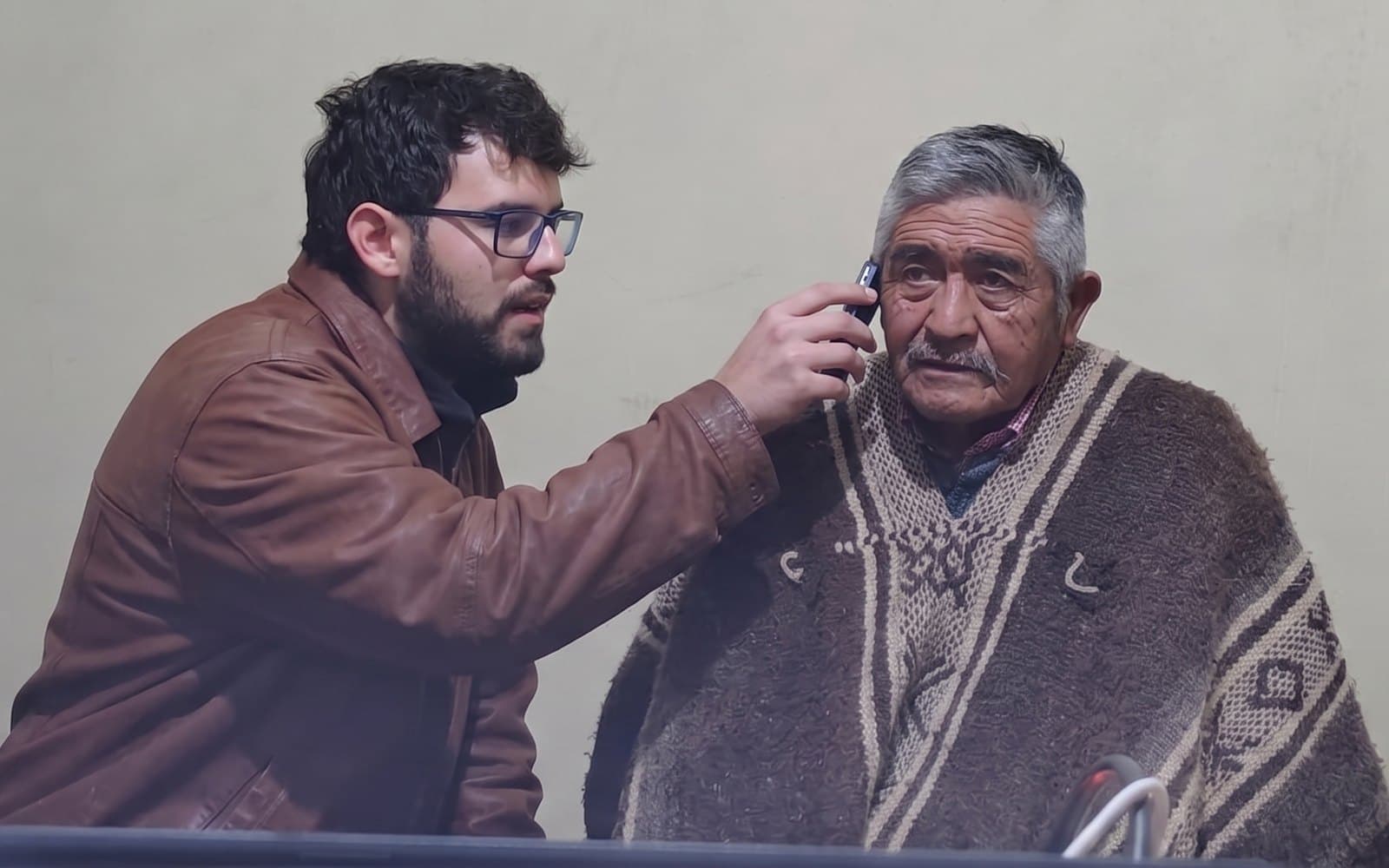
Audio transcription and read-aloud in the language. It is the most important line of work for communities where transmission is oral and much of the corpus lives in the memory of its speakers.
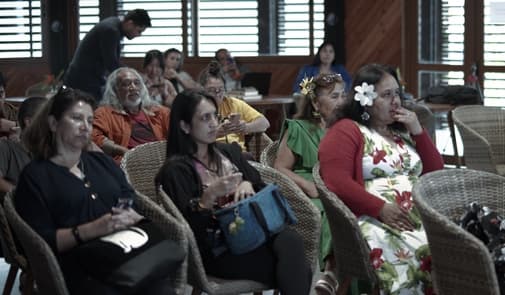
On-site training with speakers, teachers and community authorities: how to use the tools, how to correct them and how to decide over the community's own data.
Building and curating parallel corpora, lexicons and recordings, with governance in the hands of the community.
Every tool is reviewed with speakers and ancestral authorities before its public release: relevance before speed.
Live translation for meetings, ceremonies and public-facing services at institutions.
In education: digital readers, school textbooks and apps to learn and teach the language. In health: tools so people can be cared for in their own language.
Recording and safeguarding stories, songs and testimonies in digital archives that their own communities can access and protect.
Programmatic access so schools, public services and third parties can build the tools into their own systems.
Translators
From community pilots to public tools in real use. Each translator is released to the public only after its speaker community has validated it.
They already work with real users from the community, while the intercultural validation that decides when and how they are released to the public is completed.
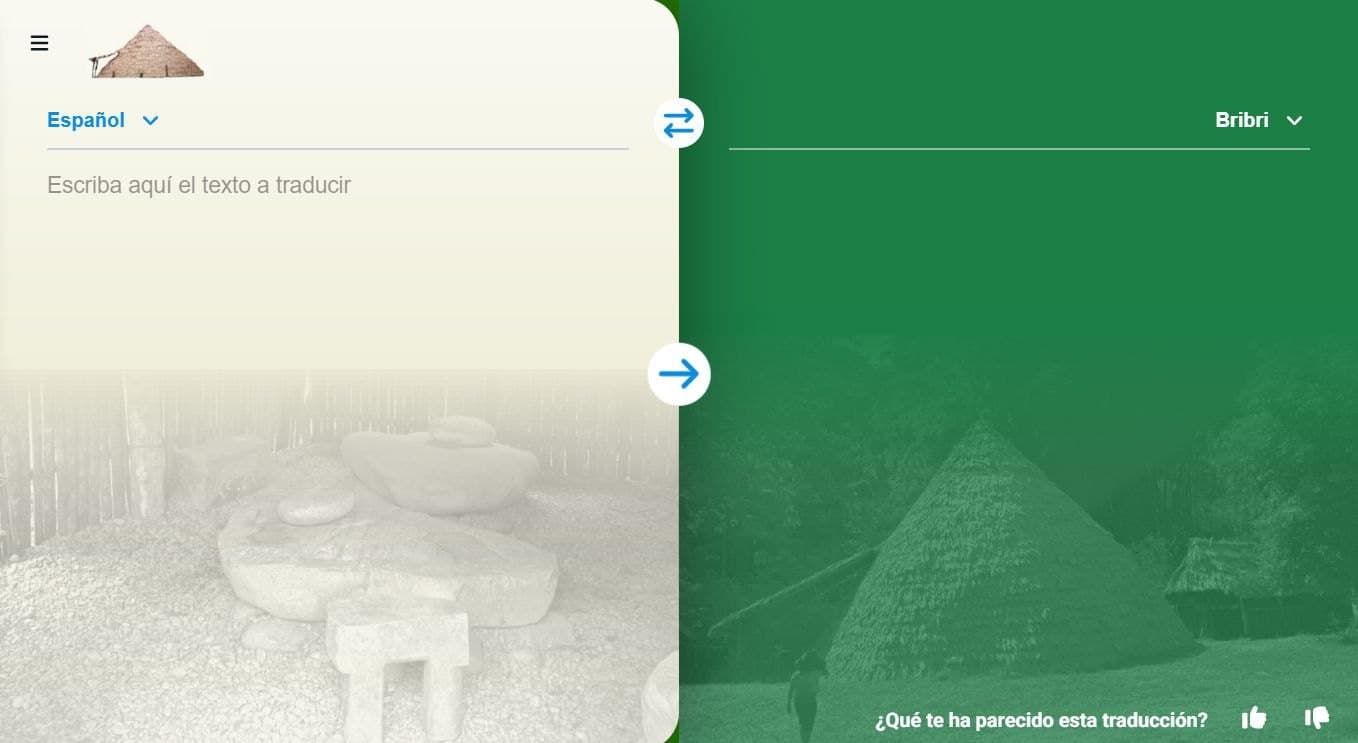
Costa Rica
Developed with ADITIBRI.
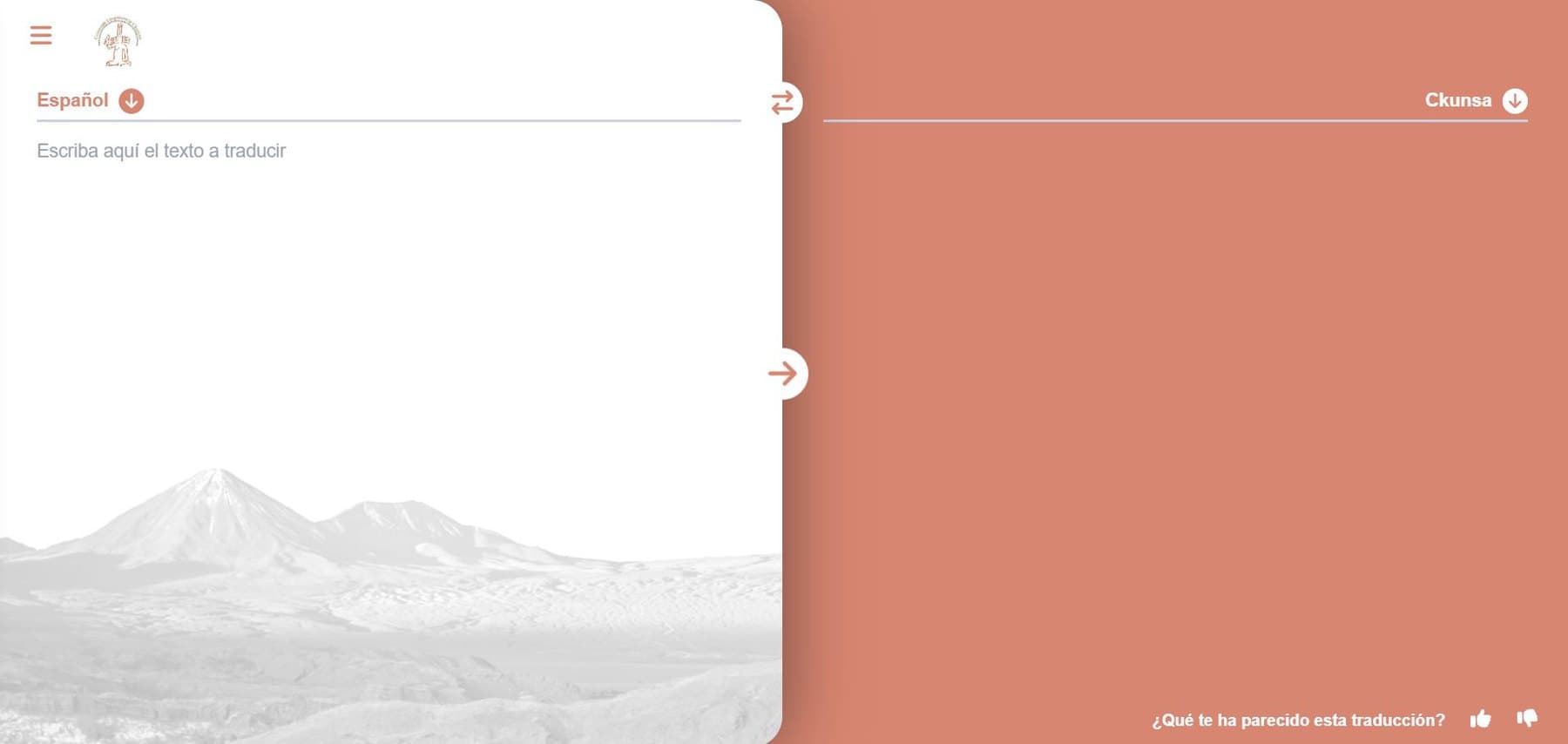
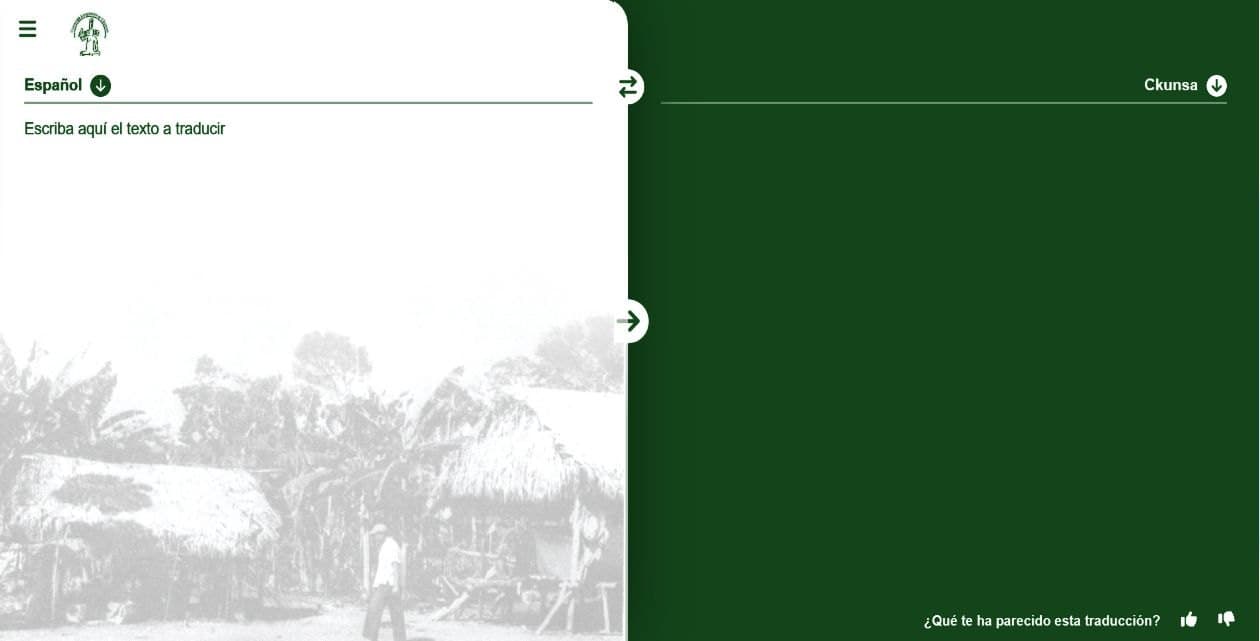
Atacama · Chile
Developed with the Consejo Lingüístico Ckunsa.
Ucayali · Peru
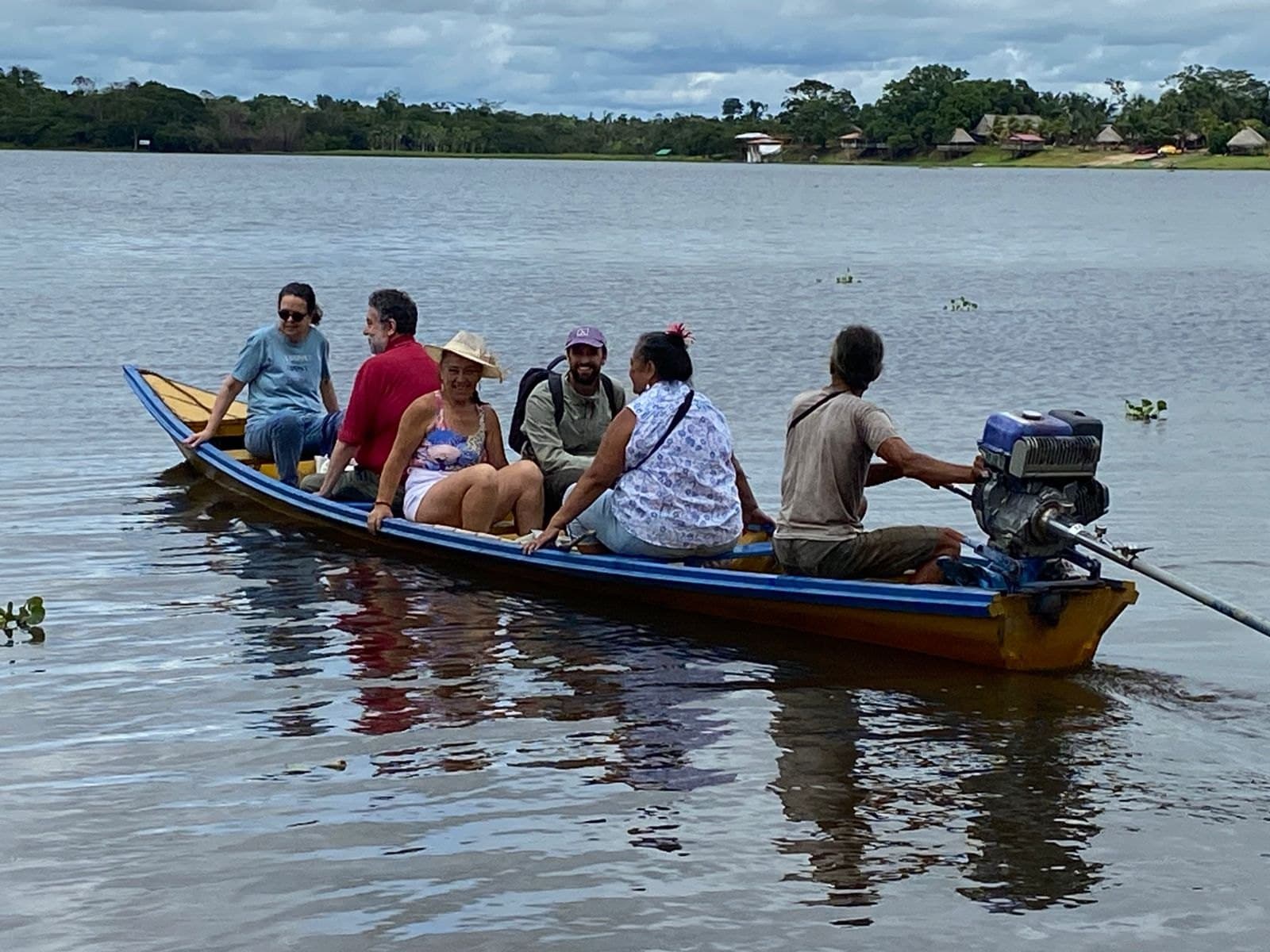
Developed with Estación Chana.
Processes in early conversation. A language is named here only once its speaker community authorizes it.
Mexico
Costa Rica
Ucayali · Peru
Chile and Peru
Chile and Bolivia
Bolivia
Where we work
Each dot is a speaker community that chose to work with us. The work moves at the pace of each territory, not of the project's calendar.
How we work
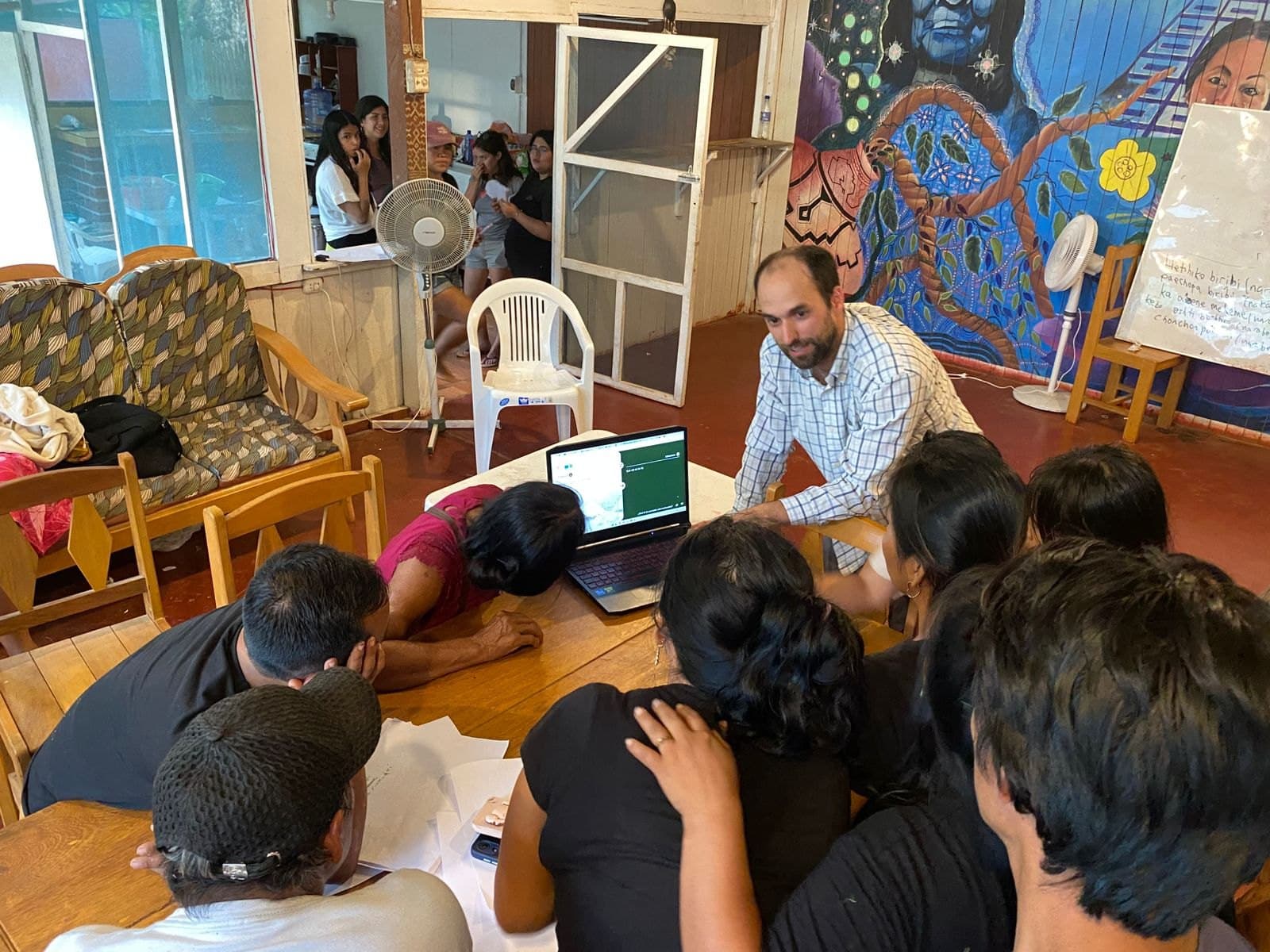
Our hallmark is that the tools are co-created with Indigenous speaker communities, respecting their protocols and their timelines. No version is released to the public until its speakers have validated it.
VOCES is a non-commercial collaborative alliance, aligned with the International Decade of Indigenous Languages 2022–2032.
Translation, voice and writing trained with and for each language, designed to work even with very little data.
The data belongs to the communities: they decide what is collected, how it is used and who has access, following the OCAP® and CARE principles.
Built together on site with speakers, educators and community authorities, respecting protocols and timelines.
Our data governance follows two international frameworks for Indigenous data sovereignty: the OCAP® principles (Ownership, Control, Access and Possession) and the CARE Principles for Indigenous Data Governance (Collective Benefit, Authority to Control, Responsibility, Ethics).
Eight stages, gone through once and then repeated in cycles of continuous improvement, always with the community at the center.
The community decides whether it wants to work with us, and on what terms.
A first concrete version that shows what is possible, before asking for anything.
Material provided by the community, corrections from speakers and translation of selected sentences.
Model training, gathering of additional material and tailored adjustments.
Testing in real settings, with real users and the relevant institutions.
The community sets the strategy: restricted, public or mixed access.
The tool stays in place, with local capacity to maintain it.
On top of translation, voice and writing, applications are built to revitalize, give access to and promote the language: education, health, media and public services.
Our purpose
VOCES is a non-profit initiative: its goal is the vitality of each language, not commercial return.
For us, success means adoption: tools simple enough to use every day at school, at home, in health centres and in public services.
Translation, voice and writing models offered as base infrastructure, so institutions, developers and communities themselves can build new applications on top of them.
VOCES lays the technological foundations; what is built on them answers to each community's needs.
Contact
If you represent a speaker community, an institution or a research team and would like to work with us, write to us.